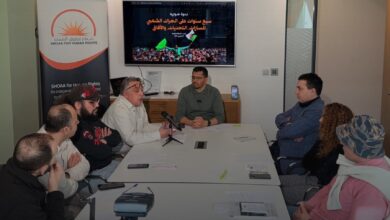
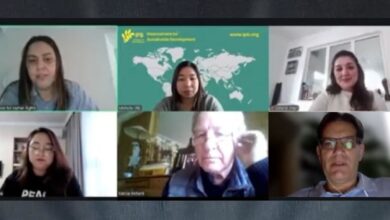
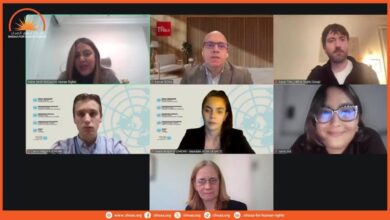
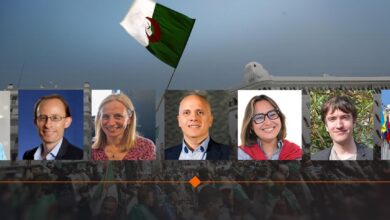
On the occasion of the 64th anniversary of the first French nuclear test in Algeria, “The Blue Jerboa,” SHOAA for Human Rights Organization held a webinar, moderated by the Program manager Imène HMILI, bringing together prominent experts to address the ongoing repercussions of the inaugural nuclear test in Algeria, which was called the “Blue Jerboa,” and to study its effects on human rights and safety. Environment and the necessity of world peace by calling for a treaty banning nuclear weapons. Weapons (TPNW). Key insights presented by our esteemed speakers include:
Rachid Aouine, Director of SHOAA for Human Rights, underscored the critical role of advocacy in mobilizing NGOs, experts, and key stakeholders to enhance awareness about nuclear testing’s ramifications, with a particular focus on the Algerian narrative amidst broader global contexts.
Dr. Marcos A Orellana, UN Special Rapporteur on toxics and human rights, delineated the global fallout of toxic exposures. He stressed the necessity of international solidarity to alleviate the impacts on communities affected by nuclear trials, condemning toxic waste dumping as a blatant environmental injustice. Dr. Orellana advocated for transitional justice and reinforced the TPNW’s centrality to healing and rehabilitation processes.
Patrice Bouveret, Director at Observatoire des armements, delved into the specific aftermath of nuclear experiments in Algeria, emphasizing the dire environmental and health consequences for local demographics. And that the French government needs to disclose the full mapping of the sites of nuclear tests and toxic waste. He lauded the nascent steps towards dialogue between French and Algerian authorities, through a historians’ committee aimed at reconciling and addressing the trials’ lingering shadows.
Jean-Marie Collin, Director of ICAN France, illuminated the critical aspects of TPNW Articles 6 and 7, which mandate environmental restoration and victim support. He called for the actualization of these commitments by the treaty’s signatories, urging for comprehensive international efforts to ameliorate and rectify the historical injustices endured by the victims.
Dr. Amel Mejri, a fervent advocate for nuclear disarmament, critiqued the IAEA’s reliance on French-provided data in its Algerian investigations, advocating for a collective voice for Algerian victims to demand accountability, justice, and reparation.
This webinar not only paid homage to a significant historical milestone but also fostered a collaborative platform to champion the cause of victims affected by nuclear testing. It underscored the collective need to deepen global understanding, advance progressive measures to mitigate the impacts of nuclear testing in Algeria, and promote international cooperation towards achieving comprehensive transitional justice and healing.
*Watch the seminar in full, click here: