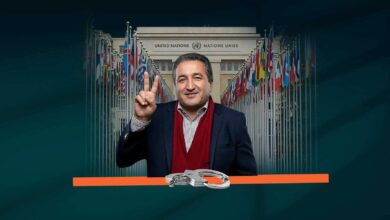
SHOAA contributes to the first global study on the impact of counter-terrorism measures on civil society and civic space, “Algeria as a case study”.
On February 28, 2023, SHOAA for Human Rights presented a study on the impact of counter-terrorism measures on civil society and civic space in Algeria to the Special Rapporteur on the promotion and protection of human rights while countering terrorism, Ms. Fionnuala D. Ní Aoláin. This was in response to an open invitation to civil society, member states, regional and international organisations to contribute their diverse and unique experiences, evidence, research findings, and insights on the impact of counter-terrorism measures on civil society and civic space. This invitation marked the first independent global study on the impact of counter-terrorism measures on civil society and civic space.
SHOAA for Human Rights welcomed the issuance of the “United Nations study” in June 2023 titled “Civil Society under Siege.” SHOAA for Human Rights was honoured to contribute to the United Nations study on the impact of counter-terrorism measures on civil society, drawing on its own report titled “The Algerian authorities are weaponising counter-terrorism against civil society and civic space”. (Click here to read the full report).
The report shed light on the Algerian authorities’ use of legislative measures to criminalise peaceful opposition through the application of counter-terrorism measures, which does not align with the definitions provided by the United Nations Security Council. These measures grant the authorities additional powers to impose severe penalties on dissenting individuals. (Read SHOAA’s report, click here)
The UN study documented numerous reports, including the report from SHOAA, providing evidence of arrests and charges related to counter-terrorism and their widespread use to target actors in civil society. Our report highlighted the Algerian authorities’ use of counter-terrorism legal measures to punish peaceful activists opposing the government without exception. Citizens opposing the Algerian government face the danger of being labeled as “terrorists” or “extremists” simply for their opposition. This includes journalists, activists, human rights defenders, and lawyers. The government attempts to impose extensive and unlimited surveillance based on counter-terrorism laws widely adopted in the pursuit of opposing activists and human rights defenders.
The global United Nations study on the impact of counter-terrorism measures on civil society and civic space serves as a warning that the true aim of counter-terrorism policies in many repressive countries, including Algeria, is not to achieve security and stability but rather to ensure a climate of instability, intimidation, and impunity. These governments utilise counter-terrorism laws as a tool for repression, control, and evading accountability. The study calls for an end to the abuse of counter-terrorism measures in violation of human rights.