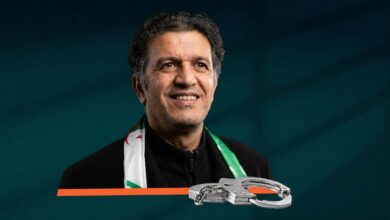
The family of political prisoner Ali Benhadjar reported, following their visit on Tuesday, 21 July 2026, at El Harrach Prison in Algiers, that his health has deteriorated significantly. According to his family, he was unable even to speak with them and asked them to urgently contact the prison administration to arrange his transfer either to the prison clinic or to a hospital where he can receive the medical care he urgently needs.
This alarming development comes as Ali Benhadjar suffers from chronic illnesses requiring continuous medical monitoring and specialized healthcare, raising serious concerns about his life and physical well-being.
On 8 February 2026, the Criminal Court of Appeal sentenced Ali Benhadjar to three years’ imprisonment, upholding the first-instance judgment issued by the Criminal Court of Dar El Beïda. Benhadjar has been detained since 12 October 2023 for signing a political statement calling for the lifting of restrictions on political and media activities, the launch of an inclusive national dialogue, and the release of political prisoners and Hirak detainees.
Ali Benhadjar’s continued detention despite his deteriorating health and chronic medical conditions raises serious concerns regarding the Algerian authorities’ compliance with their obligations to guarantee detainees’ right to health and adequate medical care. His case also reflects the continuing deterioration of the human rights situation in Algeria, amid the absence of genuine political will to accept dissenting opinions, respect political pluralism, and protect the right to peaceful opposition, while political opponents continue to face prosecution for peacefully exercising their fundamental rights.
SHOAA Organization calls on the Algerian authorities to immediately and unconditionally release Ali Benhadjar, ensure his urgent transfer to a specialized medical facility to receive the treatment his condition requires, and holds the authorities fully responsible for his physical and psychological well-being, as well as for any further deterioration of his health resulting from inadequate medical care or his continued detention.